
What is the Meaning of ASMR? The Complete Guide to the Science, Benefits & 2026 Trends
The internet is filled with videos of people whispering into microphones, tapping on wooden boxes, or slowly brushing their hair. For some, these videos are confusing or even uncomfortable. But for millions of others, they are a gateway to deep, euphoric relaxation.
This phenomenon is ASMR. But beyond the viral videos and trends, what is the actual meaning of ASMR? Is it a biological quirk, a placebo effect, or a genuine therapeutic tool?
In this comprehensive guide, we will explore the definition, the fascinating science behind the "tingles," the mental health benefits, and the tactile trends that are shaping the ASMR landscape in 2026.
What is the ASMR Meaning?
To truly grasp the term, we need to break down the acronym ASMR, which stands for Autonomous Sensory Meridian Response. Coined in 2010 by Jennifer Allen, a cybersecurity professional looking to describe the sensation, each word carries specific weight:
- Autonomous: The sensation is spontaneous and self-governing. You cannot always force it to happen; it arises naturally in response to stimuli.
- Sensory: It is a reaction to external sensory input—specific sounds (auditory), sights (visual), or physical touch (tactile).
- Meridian: This is a slightly more poetic term used to describe a peak, climax, or a pathway of energy (borrowing loosely from Traditional Chinese Medicine concepts of meridians).
- Response: The physical and emotional reaction—the static-like tingling sensation that typically starts at the scalp and moves down the spine to the limbs.
So, the meaning of ASMR is literally: A spontaneous, sensory-induced peak physical response.
Intentional vs. Unintentional ASMR
Understanding ASMR requires distinguishing between two main categories:
-
Unintentional ASMR: This happens in real life or in videos not designed for ASMR. Examples include:
- A doctor performing a cranial nerve exam.
- A hairdresser focusing intensely on your haircut.
- Bob Ross painting "happy little trees" (the "Godfather of ASMR").
- A teacher explaining a complex concept softly one-on-one.
-
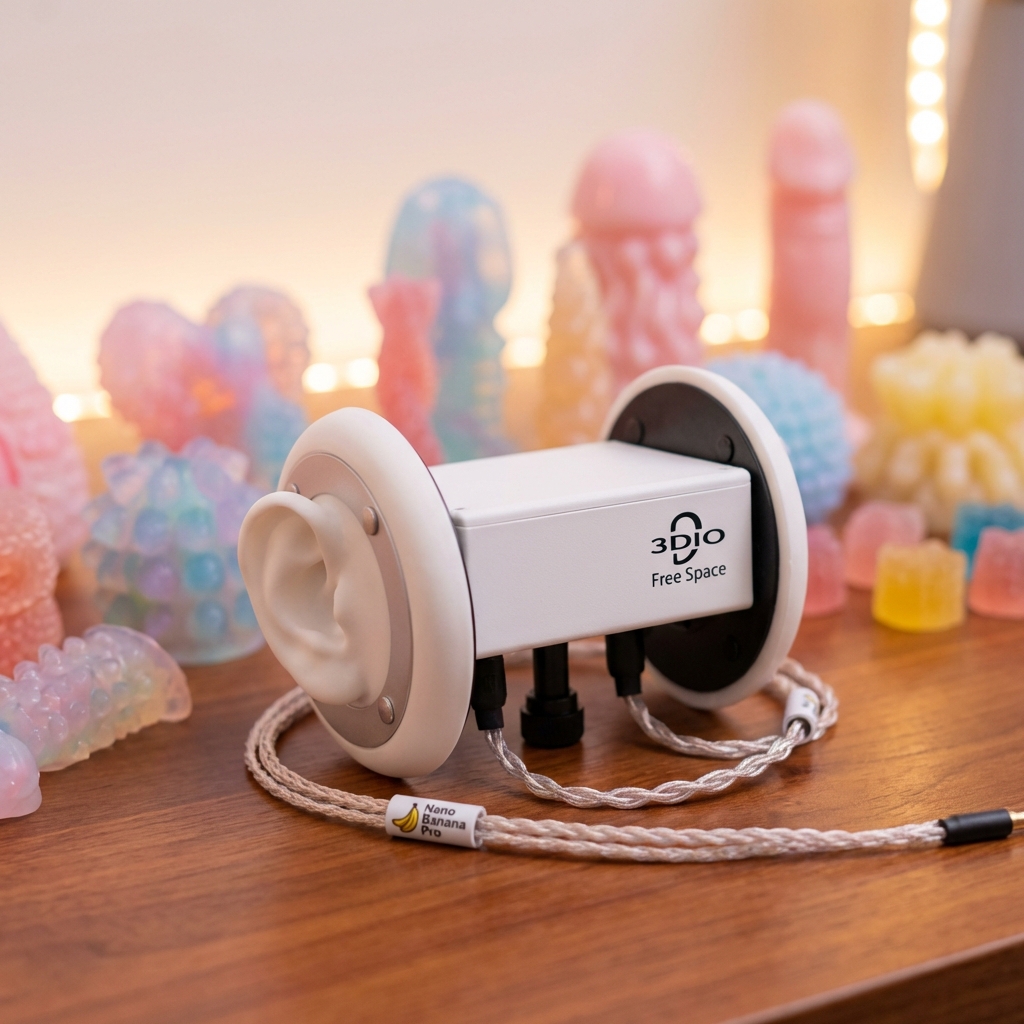
Intentional ASMR: Content created specifically to trigger this response. This includes the vast world of ASMRtists on YouTube and platforms like ASMR-AI.art who use binaural microphones, roleplay scripts, and elaborate props to induce tingles.
The Science: Why Do We Tingle?
For years, ASMR was dismissed as pseudoscience. However, recent neurological studies have validated the experience.
1. Brain Connectivity & Flow State
Functional MRI (fMRI) scans have shown that people who experience ASMR have different functional connectivity in their brains. Specifically, there is increased connectivity between the frontal lobes (attention/control) and sensory regions. When experiencing ASMR, the brain enters a state similar to "flow"—a state of deep absorption where the sense of time and self vanishes. This is why it is so effective for relaxation.
2. The "Caregiver" Hypothesis
Why do soft whispers and personal attention trigger us? The leading evolutionary theory is the Caregiver Hypothesis. It suggests that ASMR triggers mimic the bonding signals between a parent and an infant (grooming, soft voice, close eye contact). These signals tell our parasympathetic nervous system that we are "safe" and "cared for," triggering the release of:
- Oxytocin: The "love hormone" associated with bonding and comfort.
- Dopamine: The reward neurotransmitter associated with pleasure.
- Endorphins: Natural painkillers that can produce a mild sedation.
3. Physiological Evidence
A landmark study found that while watching ASMR videos, participants' heart rates slowed by an average of 3.11 beats per minute. This reduction is comparable to other stress-reduction techniques like mindfulness and music therapy, proving that the meaning of ASMR goes beyond just a "feeling"—it has a measurable physical effect.
Mental Health Benefits of ASMR
The explosion of ASMR content isn't just a trend; it's a response to a global mental health crisis. People are self-medicating with sound.
| Benefit | Description |
|---|---|
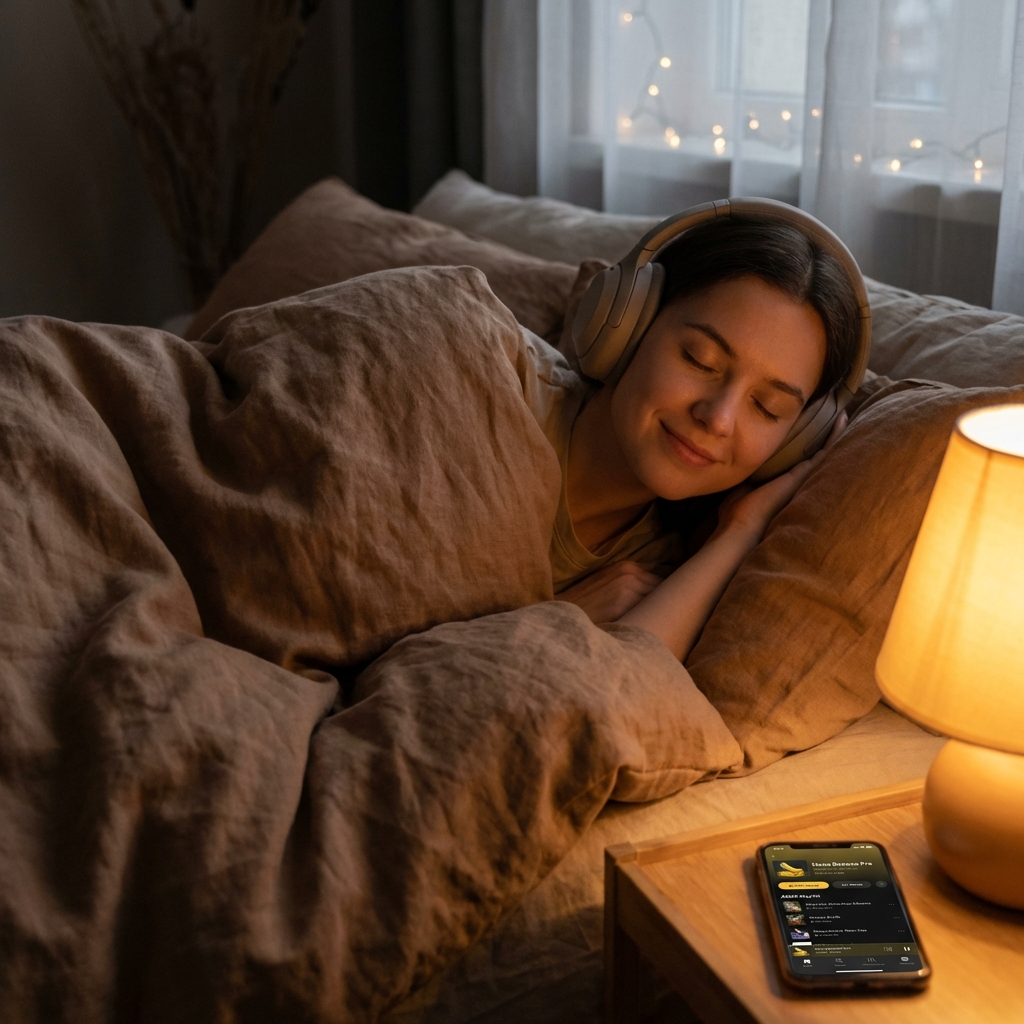
| Insomnia Relief | Millions use ASMR as a sleep aid. The "boring" but engaging nature of the content helps shut down racing thoughts. |
| Anxiety Reduction | The "safe space" created by personal attention roleplays can significantly lower cortisol levels and acute anxiety. |
| Chronic Pain Management | The "tingles" can act as a distraction mechanism (gate control theory), temporarily overriding pain signals. |
| Loneliness Mitigation | In an increasingly isolated digital world, the simulated intimacy of ASMR provides a sense of companionship. |
2026 ASMR Trends: The "Gimme Gummy" Era
As we settle into 2026, the meaning of ASMR is expanding into new sensory territories. It's no longer just about sound; it's about texture.
1. Tactile Overload ("Gimme Gummy")
Pinterest and trend analysts have dubbed 2026 the year of "Gimme Gummy." Users are craving tactile, squishy, and "chewy" visuals.
- Visuals: Expect to see ASMR videos featuring jelly-like soaps, rubberized gadgets, and elastic skincare textures.
- Sounds: The soundscape is shifting towards "wet" and "sticky" sounds—thick slime stretching, sticky tape peeling, and slow-eating honeycombs.
2. AI-Generated Hyper-Personalization
The "one size fits all" era of ASMR is ending. Tools like ASMR-AI.art are pioneering the next generation:
- Custom Triggers: Don't like tapping but love scratching? AI allows you to mix and match sound layers to build your perfect trigger.
- Infinite Loops: AI generates seamless, non-repetitive audio that can play for 8 hours straight—perfect for sleep without the jarring interruption of a video ending.
- Visual Accompaniment: Generative video ensures that the visual loop is just as calming and high-definition as the audio.
Frequently Asked Questions (FAQ)
Is ASMR sexual?
No. While some content creators may sexualize it (often termed "ASE" or Erotica), the core ASMR meaning is strictly about relaxation and sensory euphoria. The feeling is akin to a scalp massage, not sexual arousal.
Why don't I feel the "tingles"?
Not everyone experiences ASMR. Studies suggest only about 20% of the population produces the specific "tingle" response (ASMR-capable). However, the remaining 80% can still benefit from the calming properties of the audio, known as "Audio-induced relaxation."
Can you build a tolerance to ASMR?
Yes, this is known as "ASMR Immunity." If you consume too much of the same trigger, the brain desensitizes. References suggest taking a break for 1-2 weeks or switching triggers (e.g., from whispering to visual triggers) to reset your sensitivity.
Conclusion
The meaning of ASMR is ultimately about finding a sanctuary for your senses. Whether it's the biological echo of being groomed by a primate ancestor or simply a pleasant distraction from modern stress, the benefits are undeniable.
As we move forward, the intersection of advanced AI technology and human sensory needs will likely produce even more effective ways to relax. Whether you are chasing the "tingles" or just looking for a better night's sleep, ASMR offers a gentle, drug-free solution.
Ready to explore the future of relaxation? Try creating your own personalized ASMR soundscapes with ASMR-AI.art.